OBSOLESCENCE—
A DEVICE INSTALLATION WITH 3D ANIMATION
This project examines the lifecycle of consumer products in a throw-away society, exploring what happens after perfectly functional items are discarded. It encourages reflection on consumption habits and environmental impact, highlighting the tension between convenience, obsolescence, and sustainability. The work was exhibited at the Ars Electronica Garden.
3D Design
Physical Computing
Conception
Prototyping
Motion Design
PiWall Setup
Raspberry Pi
Cinema4D
After Effects
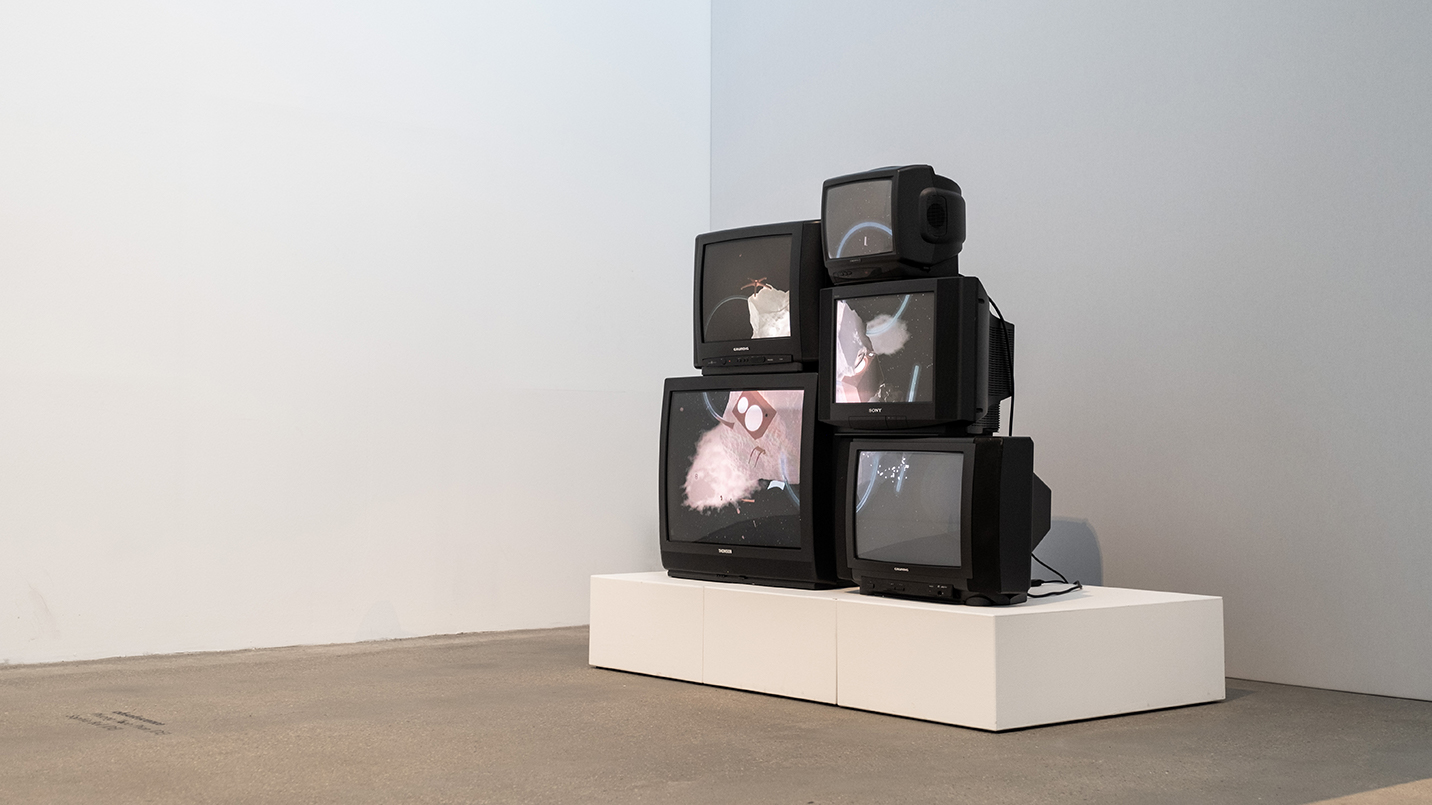
The aim of the project is to critically investigate how products transition from use to obsolescence and how these choices affect the environment. It seeks to visualize the consequences of overconsumption and planned obsolescence, encouraging viewers to reconsider everyday habits. By representing product life cycles in a visual form, the project also explores the broader social and ecological implications of material waste.
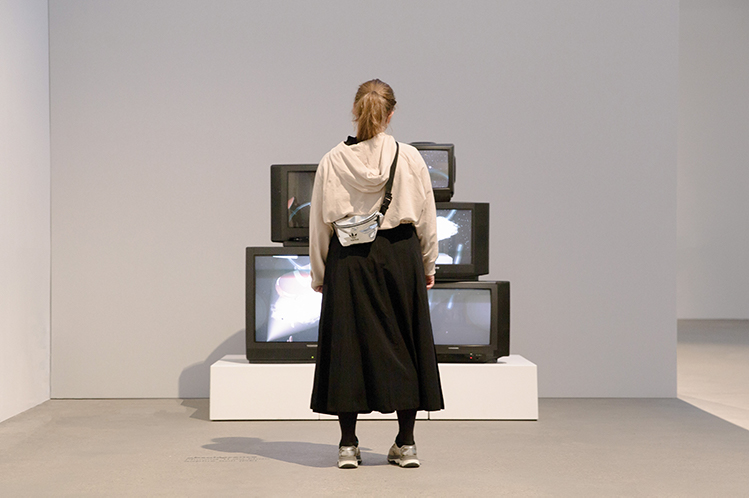
The installation consists of an animation displayed across five vintage tube TVs. Objects form around a central stone base, detach, and gradually integrate into the surrounding environment, creating a continuous cycle. As the surroundings fill with non-biodegradable items, the animation illustrates the environmental consequences of discarding functional products. The piece emphasizes reflection on consumption habits by showing accumulation, transformation, and reintegration as part of an endless loop.
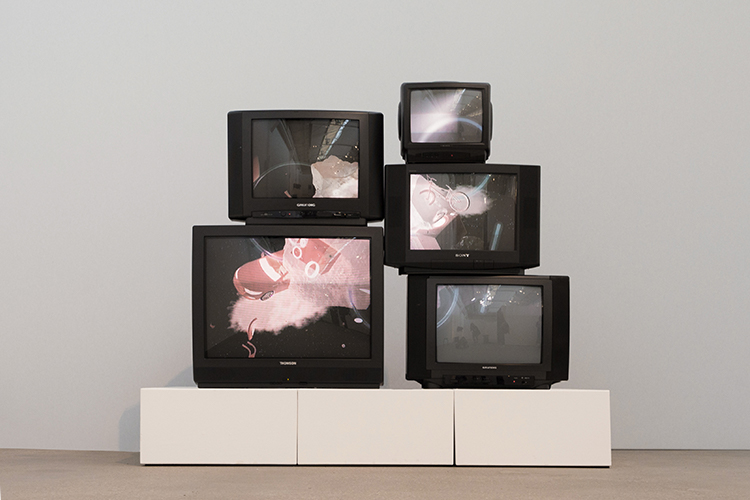
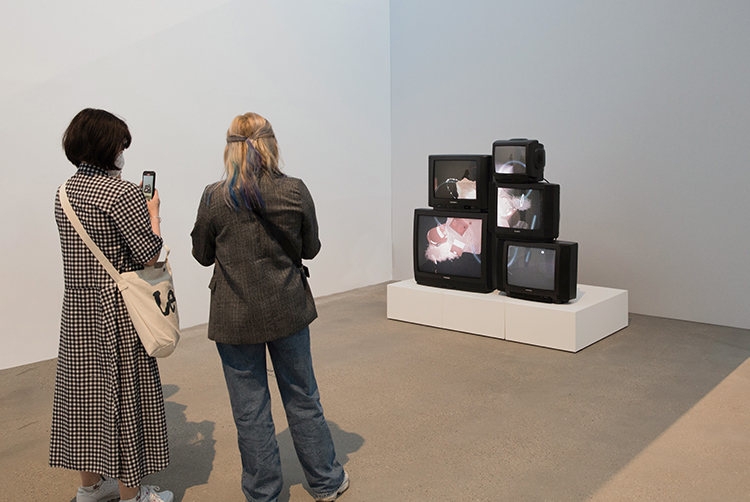
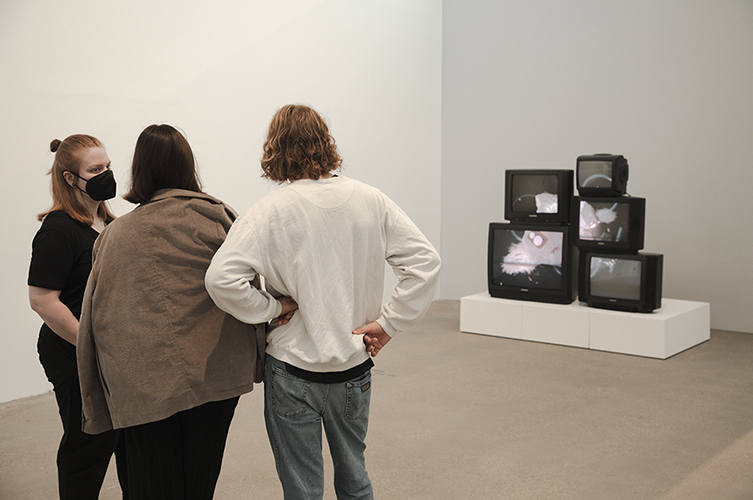
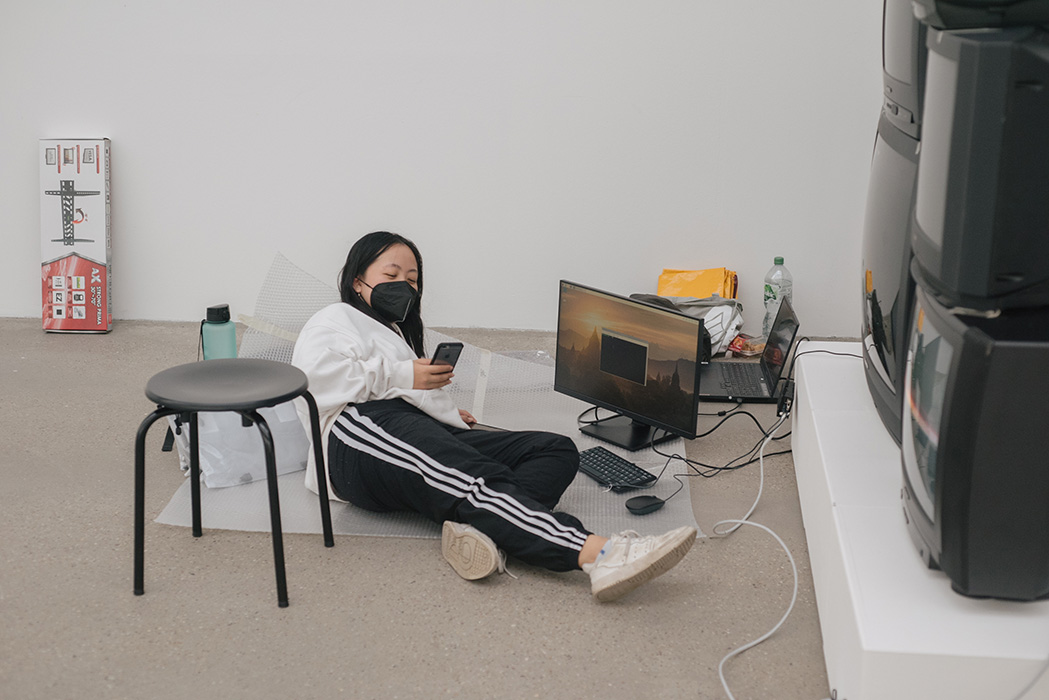
Implementation involved both animation and interactive hardware setup. Each TV is connected to an individual Raspberry Pi, all linked to a central Raspberry Pi serving as a control hub. This setup synchronizes the video loop across all displays, creating a seamless and coordinated visual experience. The 3D assets and animation were carefully designed to integrate with the physical installation, combining digital design with physical computing to convey the project’s environmental message.